AML Hub
Bacta estimates that the removal of each Category C and D machine could save on average up to £21 per week, or £1,092 per annum, depending on trading hours. Industry responses argue that the current 80/20 ratio creates a disincentive to modernise older analogue Category C cabinets as they lack customer demand, yet operators are required to maintain them to meet the ratio. We have received estimates from the bingo club sector which show that the average weekly GGY produced per tablet machine is c.£3.80. In the bingo sector, for the equivalent machine we received estimated weekly GGY per machine to be c.£500. We did not receive GGY estimates for the arcade sector, however, industry responses indicated that they anticipated greater GGY returns under Option 3 than under Option 1.
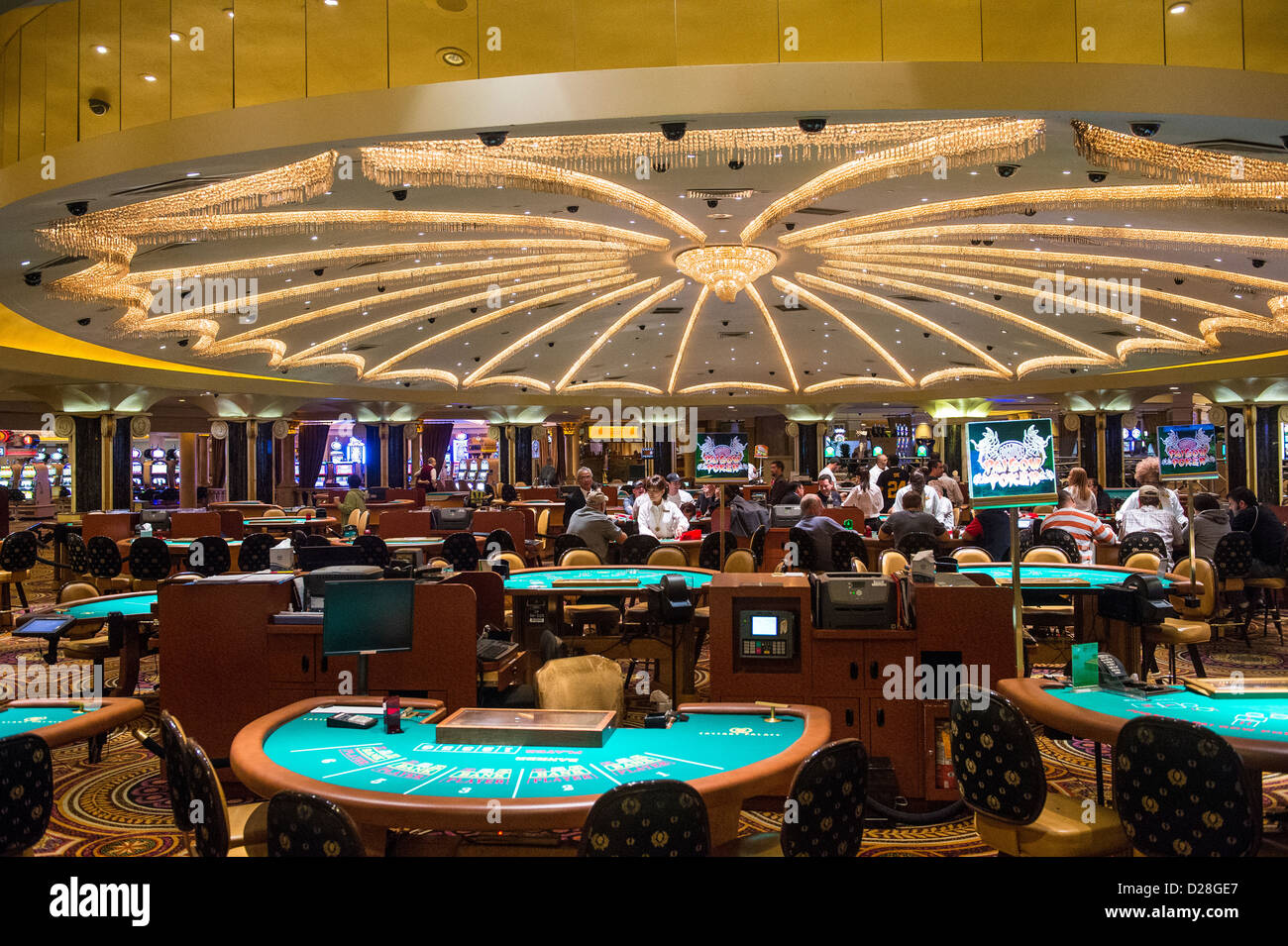
The second priority is to ensure that customers receive a genuine offer of lower staking Category C and D gaming machines. As such, Option 2(a) has the added benefit of ensuring that all venues make a genuine offer of Category C and D gaming machines available to customers on device types which have genuine customer appeal. Responses stated that the commercial flexibility permitted by Option 2(b) would enable bingo operators to reduce the number of Category C and D gaming machines which they make available, while making slight increases in the number of Category B cabinet gaming machines. Both policy options are variations of Option 2, meaning that they focus on addressing the practice of operators siting increased numbers of Category B cabinet gaming machines by making lower staking Category C and D content available on in-fill and tablet gaming machines. The second objective is to ensure that customers are presented with a genuine offer of lower staking Category C and D gaming machines.
The Commission updated its ‘available for use’ guidance to highlight that gaming machines should only be counted as being available for use if each machine can be played simultaneously by different players without physical hindrance. The Gambling Commission, however, has pointed to concerns that the industry is intentionally subverting the 80/20 rule for machine games and expressed doubt as to whether some machines represent a genuine commercial offer to customers. Up to 20 percent of total gaming machines can be Category B. This rule mandates that at least 80 percent of all gaming machines in Adult Gaming Centres (AGCs) and bingo halls must be Category C and D. We would like to make the process for taking up the entitlement of additional machines as simple as possible for both operators and licensing authorities. What player protections could be adopted in casinos for those customers participating in sports betting?

Your data will be used to inform the development of policy measures relating to the land-based sector. DCMS is consulting on policy options for measures relating to the land-based gambling sector. We welcome evidence from all parties with an interest in the way that gambling is regulated in Great Britain. Please upload any further evidence or any other information that should be considered in this consultation relating to licensing authority fees. Please provide any additional views or evidence on the potential impacts of raising licence fees here. What do you think are the potential impacts of raising licence fees on gambling companies?
Some submissions highlighted that gambling blocks on debit cards could make it easier to prevent harmful gambling and track customer spend. However, evidence from these groups was typically directed towards other areas of the Review such as online player protection, children and young people, and advertising. We received evidence from a range of stakeholders in response to whether new types of casino created by the 2005 Act meet the Act’s objectives for the sector. We also received submissions from campaign groups and academic research highlighting the risks of cashless gambling and possible mitigations. Some submissions also made the case that the triennial review process (a formal feature of gambling regulation before the 2005 Act) allowed a regular review of the rules applied to machine games and therefore enabled a process for stake and prize limits to be amended to reflect inflation or wider changes.
All casinos that operate in the UK, whether they’re on the internet or land base, must be licensed and regulated. From a gambling point of view you’d be much wiser to take your money to a casino where the house edge can be up to fifty times smaller. The next major legislative overhaul came in 2005 with a new Gambling Act that addressed online gambling as well as further loosened regulations across the board. The Gaming Act of relaxed the original rules and paved the way for more casinos. The first casino was opened in 1961 by gaming magnate George Alfred James. There are serious consequences for failing to meet the gambling age in the UK, including denying you your winnings if they find out.
Non-remote casino legislative changes
Local authorities (for Premises Licences).Sports/horse race betting (if regulated separately to other non gamestop casinos forms of betting)Fantasy betting (payment to back a ‘league’ or ‘portfolio’ selection over a period of time, for example in relation to sport)LotteriesLotteriesThe Gambling Commission.The Gambling Commission (for Operating Licences). The IA notes, however, that operators are less likely to be small and micro businesses due to the amount of capital and numbers of staff they need to operate. “We will now continue our work to deliver our remaining White Paper commitments, including our programme of evaluation.”
Overall impact on the gambling industry
In general, it is illegal for the holder of a licence to sell alcohol to facilitate betting on the premises. The total online gambling population in the UK is estimated at 2.1 million customers. Instead it supported plans for 16 smaller casinos, including ones in Solihull and Wolverhampton. Casinos had a similar history, with requirement for licensing from the Gaming Board of Great Britain and for casinos to be members only clubs.
Free, confidential counselling and 24/7 helpline for problem gambling. New technical standards on volatility disclosure, feature transparency and spin speed for UKGC-licensed online slots. An independent, statutory complaints-handler with binding powers against operators. Operating unlicensed gambling facilities is a criminal offence under Sections 33 and 37, punishable on indictment by up to 51 weeks’ imprisonment, an unlimited fine, or both. Under Section 116 of the Gambling Act 2005 the UKGC can warn, fine, suspend or revoke an operator’s licence. A handful of UKGC-licensed operators accept crypto via regulated third-party processors — those are fine.

PHE’s evidence review highlights higher levels of problem gambling amongst young adults when compared to older ages. Children and young people aside, concerns have been raised about people who are old enough to take part legally in the full range of commercial gambling activities but may still be particularly susceptible to harm for a variety of reasons. According to the 2022 data, the problem gambling rate of 11 to 16-year-olds (using the DSM-IV-MR-J screen which is specially adapted for children) was 0.9%, equal to about 35,000 children aged 11 to 16 in mainstream secondary schools. Once this new methodology is formally in place, it will provide more insight into harms experienced by young adults who are gambling legally, but who may additionally be vulnerable to gambling harm due to their age (see section 3.5. In particular, the 2022 Young People and Gambling Survey of 11 to 16-year-olds set out a range of questions on harms experienced as a result of gambling (both the participants’ own gambling and someone else’s gambling).

Where the Commission agrees a payment in lieu of a fine (a regulatory settlement), this is typically used for socially responsible purposes connected with gambling, in line with the Commission’s Statement of Principles for Determining Financial Penalties and most usually to address gambling-related harm. For gambling specifically, the Commission must approve all providers and has set specific supplementary standards for ADR in its guidance, including a further definition of what counts as a dispute and heightened expectations regarding independence, transparency, customer service and reporting requirements. Non-payment of winnings, account closures and misleading promotions and adverts were the main areas of complaint shown across ADR, Resolver, the online dispute resolution platform, and the Commission’s Contact Centre data. Data from the Gambling Commission’s quarterly online survey (June 2021) showed that 8% of respondents said they had ever complained directly to a gambling operator. Subject to industry delivering a credible scheme, where the government and the Gambling Commission are satisfied with its scope and independence, we will explore how best to require that all licensees ensure their customers have effective access to the ombudsman for social responsibility complaints.
Player-centric tools
A response from an advocacy organisation opposed the introduction of direct debit card payments on the basis that there is evidence that cashless payments result in increased and unplanned spending when compared to cash. One betting shop operator was concerned that allowing direct debit card payments would minimise the interactions a customer has with betting shop staff as their current customer journey requires a certain level of interaction with a staff member. They stated that it would be an unnecessary and disproportionate burden for a low stake and low prize machine.
The Local Government Association response stated that there are cases where a licensing authority would like to place further limits on machines in venues but are prevented from doing so (such as in a licensed bingo premises in an area of economic disadvantage). The Bingo Association has provided evidence to show that machines are not the main attraction for customers visiting a retail bingo club. The Gambling Act 2005 does not currently allow for pilots of new machine games that would be inconsistent with legislative provisions on stake and prize, and does not allow for any sub-divisions of Category C gaming machines (unlike Category B machines), which some of these concepts could require. While we are mindful of the potential harms of new machine products, we acknowledge that these may be substantially theoretical until evidence is obtained on their practical risks. The Commission’s advice also noted that enabling such a concept on Category C machines could potentially lead to a £10 stake gaming machine being made available in alcohol-licensed premises such as pubs, outside of the regulatory ambit of the Commission.
- We think that this will create greater equity between 1968 Act and Small 2005 Act casinos and should not have an effect on gambling-related harm as customers will still be offered a mixture of gambling and other non-gambling leisure activities.
- These requirements exist to prevent underage gambling, which is one of the UKGC’s primary objectives.
- In our view, it would be disproportionate to raise the minimum age for participation in gambling to higher than 18.
- While there are real complexities that make it difficult to pinpoint a precise figure, the weight of the evidence suggests that those being harmed by gambling are overrepresented among those with high gambling spend.
- If No is selected What do you think the maximum committed payment limit should be for the following machine categories (£)?
- Under the new regime, it is quite possible that a casino would make material changes to its layout in order to site additional gaming machines, tables and potential positions for betting.
The ADR provider’s name and contact details must be listed in the casino’s terms and conditions. If the casino fails to resolve your complaint within 8 weeks, or if you are unsatisfied with their response, you can escalate the matter to the casino’s designated ADR provider. Keep records of all communications, including dates, reference numbers, and the names of agents you speak with. Contact the casino’s customer support team and formally raise your complaint. If you believe a UKGC-licensed casino has treated you unfairly, you have a clear process for seeking resolution. These requirements exist to prevent underage gambling, which is one of the UKGC’s primary objectives.
Each should have its own casino premises licence and its own principal entrance from a street, and it must not be possible to enter one of them from other gambling premises. Currently, a number of 1968 Act casinos operate more than one premises licence at the same physical location. Allowing 1968 casinos to increase their machine offering above their current allowance of 20 could result in greater customer willingness to take breaks, which will likely increase reflection and reduce risk. The rules have also incentivised holders of multiple 1968 Act casino licences to operate them as separate entities in the same premises for the purpose of increasing machine numbers.
However, in recent years there has been a proliferation of space-saving in-fill and tablet gaming machines in arcade and bingo venues. How, if at all, would the approaches taken in Options 1, 2 and 3 impact the ability of business to meet customer demand for gaming machines? This would also apply for in-fill and tablet gaming machines. Our objective in reforming the ratio of Category C and D to Category B gaming machines is to support a sector which has experienced significant commercial challenges in recent years through increased flexibility over their gaming machine offer.
The review found mostly cross-sectional studies linking gambling to harm, with more longitudinal research needed to isolate the causative role of gambling in the harms people experience in order to estimate a more accurate cost. Conversely, industry argued that calculating the social costs of gambling in order to recoup these costs is inherently complex. Canadian provinces tend to have high levels of expenditure addressing gambling harm paid for out of general taxation; but all have specific proportions of their total revenue derived from specific taxes on gambling. GambleAware also produces national safer gambling campaigns to raise awareness and encourage behaviour change in relation to gambling-related harms.
For example, some operators allow customers to stake an additional amount via a tablet on certain numbers being called, with those numbers randomly allocated rather than chosen by the customer. On extending default opening hours, licensed bingo premises can currently apply for a premises licence variation which allows the club to open for longer hours on a permanent basis. There is therefore a risk that sufficient measures to uphold the licensing objectives would not be achievable.
Compared with other regulated sectors, such as the financial, legal services and utilities sectors, gambling has a larger number of approved ADR bodies. Responses also highlighted that in order to prevent harm, new redress arrangements should be seen as upholding regulatory standards and supporting people presenting with legitimate complaints. Evidence from one treatment provider set out how clinical staff have noted that the manner and timing of a settlement can have an impact on therapy, and the need for appropriate support and protections to avoid even a modest lump sum increasing the risk of relapse. Responses from treatment and recovery support stakeholders also highlighted the need to consider the potential impact of different forms of financial redress on a person with gambling disorder. These included the complexity of determining at what point a consumer’s gambling can be deemed so excessive or unaffordable that it becomes an operator’s responsibility to intervene.
However, there are still too many instances of insufficient age verification in some venues, particularly those such as pubs, which can offer adult-only gaming machines but are not adult-only venues like many gambling premises. We have seen evidence showing that customers who have claimed online bonus offers are more likely to engage in high-risk gambling behaviour, especially those already at a higher risk of harm who are also likely to be targeted with more offers. The moves come in response to concern over what are known as online slot games – that is, games designed to mimic slot machines in real-life betting shops and casinos. Its remit covers arcades, betting, bingo, casinos, slot machines and lotteries, as well as remote gambling, but not spread betting which is regulated by the Financial Conduct Authority.
If you are leaving the British gambling market, the Gambling Commission has expectations of licensees in these situations. If you no longer need your licence, you can surrender it, partially or in full. This is a condition of your licence under LCCP Condition 8 – Display of licensed status. When you are issued a licence, we will display the details of your licence on the register. We provide details of all businesses and individuals we licence on our Public Register service.
We recognise the importance of affiliates to operators and customers, and that the growth of affiliate marketing is by no means unique to the gambling sector. The industry body Responsible Affiliates in Gambling (RAiG) estimates that there are tens of thousands of gambling affiliates working in the GB market, the majority of which are individuals or very small businesses, and that they drive up to 40% of customer acquisition for remote operators. The evidence did not suggest that broadcast advertising which is compliant with the current, strict rules (especially following the recent updates to the CAP codes) is likely to pose an undue risk of harm, or that the benefits of any further restrictions would outweigh possible negative consequences. Alongside direct marketing and the targeting of individuals discussed above, the general gambling advertising landscape, both online and offline, attracted significant attention in submissions to the call for evidence.
The increase in Category B machines will enable bingo halls to better meet customer demand and will likely result in greater GGY. This would result in an overall decrease of over 900 cabinet machines across these venues, predominantly consisting of legacy Category C cabinets. Also, Category C and D gaming machine device types made available for use must be of similar size and scale to Category B. For example, some options may place further emphasis on achieving commercial flexibility than achieving customer choice of higher and lower staking machines, and vice versa. Gambling Commission data, from April to September 2019, indicates that across all land-based sectors, 1.8% of Category B sessions result in a loss of £200 or more.
The gambling industry should work with financial service firms to enable the blocks to be extended to other payment methods like bank transfers. While GAMSTOP is the principal means of online self-exclusion, we welcome that banks and payment providers offer opt-in gambling transaction blocks. This will include options of a £2 limit per stake; a £4 limit per stake; or an approach based on individual risk.

While the use of these tools by customers is voluntary and operators are afforded a degree of discretion around how they are designed, there are requirements attached to certain tools. However, the online environment also provides many opportunities to make sure people are gambling safely. According to the 2018 Health Survey for England, excluding National Lottery draws, 4.2% of people accessing any online gambling were experiencing problem gambling, compared to 1.3% of people accessing any gambling activity.
We use the Financial Action Task Force (FATF) framework to identify sector specific risks and threats to operators. Our risk assessment is developed in partnership with sector specialists, including law enforcement, such as the National Crime Agency (NCA). As outlined in the consultation, the fees payable for gaming machine notifications and gaming machine permits are not in scope of this review. We will keep the 15% increase in fees under review to ensure that its impact is proportionate both to the funding requirements of licensing authorities and the financial pressures placed on operators.
